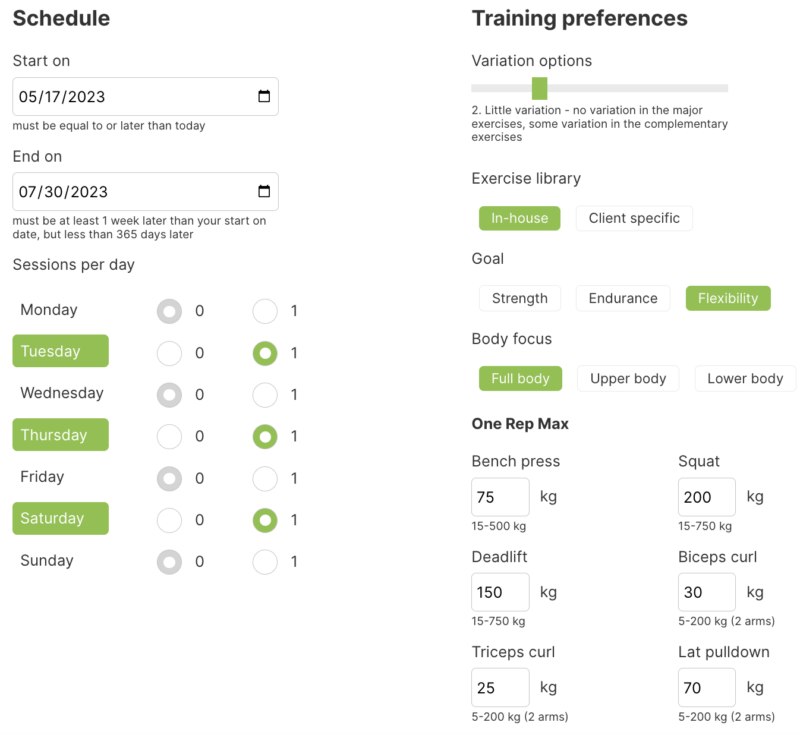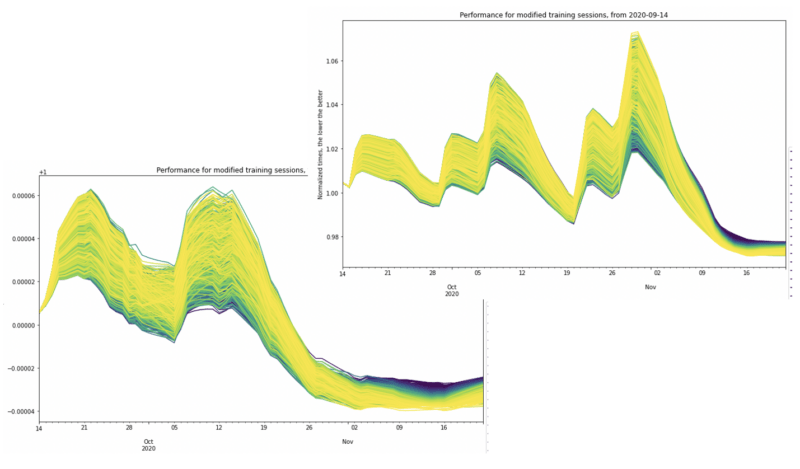
Maximum adaptation, minimum unnecessary stress. Strength and power are foundational qualities for athletic performance across virtually every sport. But the training methods that develop these qualities — resistance training, plyometrics, sport-specific power work — also carry significant injury risk if poorly programmed, and consume a substantial portion of an athlete’s recovery resources. Thrud, svexa’s strength training optimization solution, uses physiological data and evidence-based programming principles to maximize neuromuscular adaptation while managing cumulative load.
individualized, optimized, adaptive strength training
The Complexity of Strength Adaptation
Strength adaptation involves multiple interacting physiological systems: neural efficiency, muscle fibre recruitment patterns, contractile protein synthesis, connective tissue remodeling, and hormonal response patterns. Unlike cardiovascular training, where dose-response relationships are relatively well characterized, the optimal stimulus for strength development is highly individual and depends on factors including fibre type distribution, training history, current hormonal status, and concurrent endurance training demands.
Concurrent training — the combination of endurance and strength work in the same program — creates particular challenges. The interference effect, first described by Robert Hickson and subsequently refined by researchers publishing in the
Journal of Strength and Conditioning Research, means that poorly sequenced concurrent training can significantly attenuate strength adaptations. Thrud’s programming algorithms are designed to manage this interaction.
What Thrud Does
Thrud integrates training preferences with any available data from force platforms, velocity-based training systems, IMU sensors, and performance testing alongside the broader physiological monitoring data in the IRMA platform to provide:
- individualized strength training load recommendations based on current physiological readiness
- Velocity-based training guidance — using bar speed as a proxy for neuromuscular readiness
- Concurrent training sequencing to minimize the interference effect
- Progressive overload planning with automated periodisation adjustments
- Monitoring of neuromuscular fatigue markers and recovery between sessions
Velocity-Based Training Integration
One of Thrud’s most practically useful features is its integration with velocity-based training (VBT) systems, when available in the training hardware. Rather than prescribing load as a percentage of one-repetition maximum — a figure that fluctuates significantly with fatigue, sleep quality, and illness — Thrud uses real-time bar velocity data to prescribe and adjust loads within each session. This means athletes are always training at the intended relative intensity, regardless of their daily variation in neuromuscular output.
For Strength and Conditioning Coaches
Thrud provides S&C coaches with objective data to support programming decisions that are often currently made on intuition and observation alone. The platform surfaces trends in neuromuscular readiness, flags athletes showing signs of accumulated fatigue, and provides squad-level views of strength performance trajectories across a season.
Key Benefits
- Data-driven load prescription reducing guesswork in strength programming
- VBT integration for within-session load adjustment
- Concurrent training management to protect strength adaptations in endurance athletes
- Longitudinal strength performance tracking across seasons
- Integration with overall readiness and recovery monitoring
Explore how Thrud complements svexa’s Readiness Advisor and Overtraining Detection modules for comprehensive athlete monitoring. Thrud is available for sports tech companies to license via a simple plug-and-play API, or as a tailored mobile/web app.