Simulate. Predict. optimize. The concept of the digital twin — a virtual model of a physical system that mirrors its real-world counterpart in real time — has transformed manufacturing, aerospace, and civil engineering. Svexa brings this paradigm to human performance: a continuously updated, individualized physiological model of each athlete that enables coaches and scientists to simulate training scenarios, predict performance outcomes, and optimize decisions without exposing the athlete to unnecessary risk.
your virtual physiological model
What Is a Digital Twin?
An athlete’s digital twin is a mathematical model that encodes their current physiological state — aerobic capacity, neuromuscular function, hormonal balance, injury risk profile, sleep debt, and recovery trajectory — as a set of interacting parameters calibrated to that individual’s historical data. Unlike population-average models, a digital twin is specific to one person: it captures their individual response rates, fatigue accumulation patterns, and performance-readiness relationships.
The digital twin is not a static snapshot. It is updated continuously as new data arrives from wearables, training logs, performance tests, and subjective wellness inputs, ensuring it always reflects the athlete’s current state with high fidelity.
What You Can Do with a Digital Twin
Scenario Simulation
Before implementing a training block, coaches can run the proposed plan through the digital twin to predict its physiological impact. How much load will the athlete absorb before showing signs of overreaching? Will the planned taper produce peak readiness on the target competition date? What happens to injury risk if a second strength session is added to the week? These questions can be answered virtually before committing the athlete to a real-world experiment.
Performance Prediction
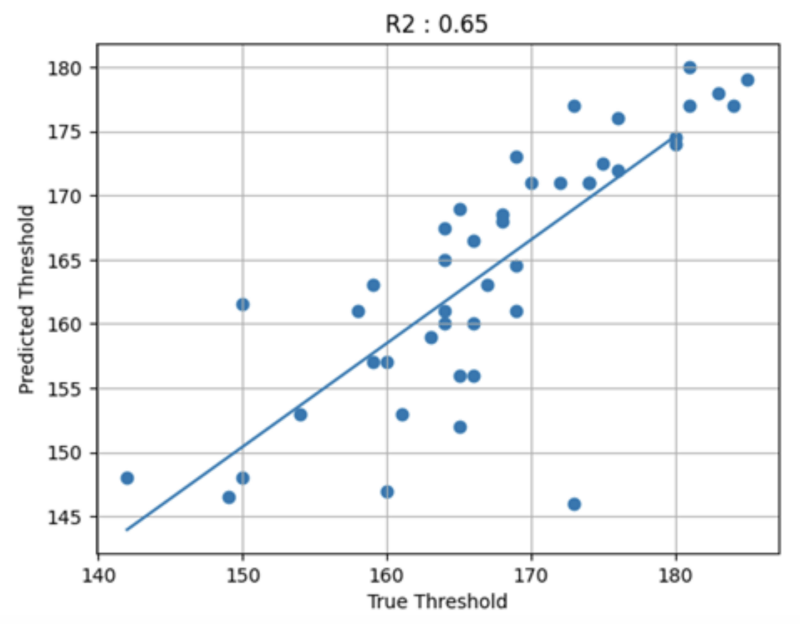
Digital twin models generate probabilistic predictions of race or competition performance at future dates based on current training trajectory. These predictions are updated continuously as training data arrives, giving coaches and athletes an evidence-based view of where performance is heading — and enabling early course correction if the trajectory is not meeting targets.
Load optimization
Given a target performance outcome and a competition calendar, the digital twin can solve the inverse problem: what is the optimal training load trajectory to achieve that outcome while minimizing injury risk? This application represents a significant advance over traditional periodisation planning, which relies on experience-based heuristics rather than individual physiological modeling.
The Scientific Foundation
Svexa’s digital twin framework builds on established physiological modeling approaches including the Banister impulse-response model and its successors, augmented with modern machine-learning techniques that capture non-linear interactions and individual variation at a level not possible with classical differential equation approaches. The scientific literature on physiological modeling in sport is extensive, with key contributions published in journals including Medicine & Science in Sports & Exercise.
Key Benefits
- Virtual experimentation without real-world athlete risk
- Performance trajectory prediction updated in real time
- Optimal periodisation derived from individual physiological parameters
- Taper planning with evidence-based timing recommendations
- Integration with all svexa monitoring modules for maximum model accuracy
The Digital Twin is most powerful when combined with svexa’s IRMA platform, Athlete Passport®, and Algorithms & Insights modules. Contact svexa to discuss how a digital twin program could work for your organization.